As technology continues to evolve, our homes are becoming more dependent on electrical devices than ever before. From smart home systems and entertainment units to kitchen appliances and electric vehicle chargers, the demand for power has never been higher. While this adds comfort and convenience, it also increases the risk of overloading your home’s electrical system. Understanding the signs and solutions can help keep your property safe and your appliances working efficiently.
Managing Power Demand in Modern Homes
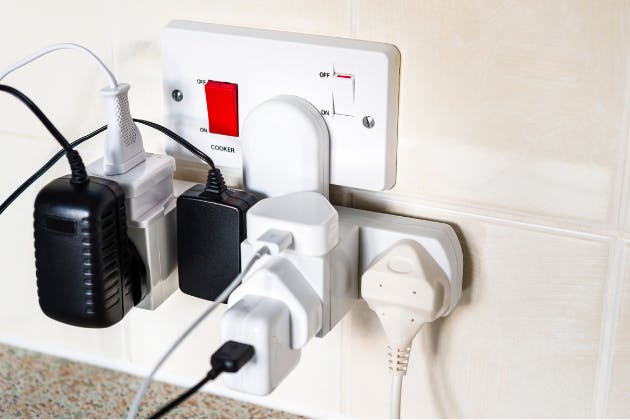
As households in the UK adapt to new technologies, many are unknowingly putting strain on outdated wiring and older consumer units. Homes built several decades ago weren’t designed to handle today’s energy demands, meaning circuits can quickly become overloaded when too many devices are used at once. A single circuit may be responsible for multiple sockets, lights, or even major appliances, which can lead to frequent tripping, flickering lights, or worse, electrical fires if left unchecked.
When you plug in extra devices or run several high-energy appliances simultaneously, such as tumble dryers, kettles, or heaters, the current draw may exceed your wiring’s capacity. Over time, this stress can damage sockets, trip fuses, and weaken insulation around wires, reducing your system’s overall safety.
Warning Signs of Electrical Overload
Recognising early warning signs can prevent serious electrical issues. Look out for:
- Circuit breakers tripping regularly or fuses blowing
- Flickering or dimming lights when other devices are switched on
- Buzzing sounds from sockets or light fittings
- Outlets or plugs that feel unusually warm
- A faint burning smell or discolouration around sockets
If you notice any of these, it’s time to have your system checked by a qualified professional.
The Hidden Risks of Ignoring Overloads
Ignoring electrical overloads may seem harmless at first, but over time, it can compromise both your property and safety. Overheated wiring can lead to insulation breakdown, increasing the risk of short circuits and electrical fires. Furthermore, excessive strain on sockets and extension leads can cause damage to expensive appliances and reduce their lifespan. A small issue, if neglected, could escalate into a costly repair or replacement job.
How to Prevent Overloading
Preventing an overload starts with better electrical management and awareness of your household’s power use. Avoid plugging too many high-energy devices into the same circuit or using multiple extension leads from a single socket. Unplug unused chargers and consider distributing large appliances across different outlets. For older homes, upgrading the consumer unit or rewiring key circuits is a smart investment that ensures your electrical system can handle modern living.
When to Call a Professional
If your home often experiences tripped circuits or inconsistent power, it’s best to call a qualified electrician. They can carry out a load test, inspect your wiring, and recommend upgrades such as new consumer units, additional sockets, or surge protection. An experienced electrician in Walthamstow, Epping or Woodford can also advise whether your home complies with the latest electrical safety regulations, giving you peace of mind that your system is safe and efficient.
Trusted Electricians in Walthamstow, Epping and Woodford
Concerned your home might be overloaded with electrical devices? Beales Electrical is here to help. Our skilled electricians in Walthamstow, Epping and Woodford provide inspections, rewiring, and electrical system upgrades to meet modern power demands safely. We’re committed to ensuring your property runs efficiently and securely. Call usor fill out our contact form to arrange a professional assessment today.