Clear, plain-English guidance on EICR outcome codes so you know what your report means and what to do next.
Blog
EICR results explained: C1, C2 and FI in plain English
Beales Electrical

If you have just received an EICR and it is full of C1s, C2s, C3s and FIs, it can be hard to know what is urgent and what is simply a suggestion. Understanding these codes helps you make calm, sensible decisions about your electrics.
How EICR outcome codes work
An EICR does not just say pass or fail. Instead, the electrician uses standard codes to show how serious each issue is and what kind of response is needed.
The key thing to remember is that the electrician on site has seen your property and is the only person who can confirm how severe a particular fault really is. Two homes can have a similar issue, but the risk level may be different depending on age, condition and how it is used.
Think of the EICR codes as a traffic light system for safety rather than a list of complicated technical faults.
Quick reference: what each EICR code usually means
Here is a simple overview of what the main EICR codes tend to indicate in everyday language:
C1: Immediate danger. There and then risk of electric shock, fire or injury.
C2: Potentially dangerous. Not safe as it stands and could quickly lead to danger.
FI: Further investigation required. Something looks wrong or unclear and needs checking in more detail.
C3: Improvement recommended. Not unsafe at present, but could be better or brought up to modern standards.
If your EICR has any C1, C2 or FI observations, the overall result will usually be classed as unsatisfactory until they are dealt with.
C1: Immediate danger that must be made safe
A C1 means the electrician has found something that is dangerous at the time of the inspection. It is the electrical equivalent of smelling gas in the kitchen: it needs acting on immediately.
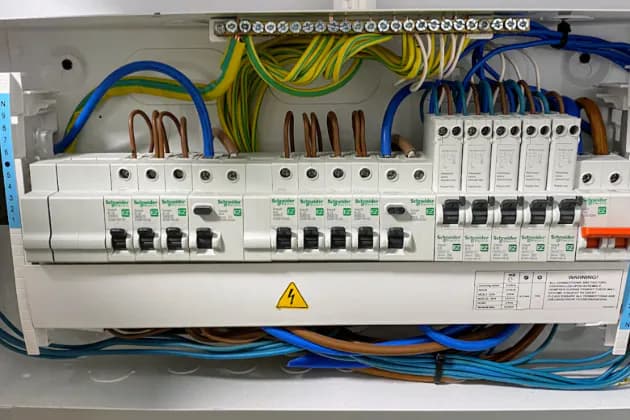
Typical examples might include exposed live wires, badly damaged sockets that could be touched, or metal parts that could become live in normal use. Sometimes it could be something like a burnt consumer unit or signs of overheating.
In many cases, the electrician will take steps straight away to make the installation safe, such as isolating a circuit. You should not switch things back on or continue using an area that has been marked as C1 until a proper repair has been completed.
C2: Potentially dangerous and needing prompt action
A C2 means the electrician believes there is a real risk that the fault could become dangerous, even if nothing bad has happened yet. This code is serious and should be treated as a priority.
Examples might include missing or inadequate earthing, loose connections, damaged cables that are still covered but clearly deteriorating, or older fuse boards with known safety weaknesses. On their own they might seem minor, but together they increase the chance of electric shock or fire.
An installation with one or more C2 issues is not considered safe for continued use until they have been corrected. You should arrange remedial work as soon as reasonably possible, especially in rented homes or where children, elderly people or vulnerable tenants are living.
FI: When further investigation is needed
FI stands for Further Investigation. It is used when something on the inspection raises a concern, but the electrician cannot safely or reasonably get to the bottom of it within the scope of that visit.
For example, there might be signs of past overheating inside a concealed junction box, an unexplained loss of power on a circuit, or test readings that suggest a hidden fault in buried cables. The electrician can see that there may be a risk, but more time, access or testing is needed to be sure.
FI items should be followed up without delay, as they can mask C1 or C2 problems. Speak to the electrician who carried out the EICR and ask what is needed to investigate properly and how urgent they consider it in your specific case.
C3: Improvements that would be sensible
A C3 is the least serious code. It means the electrician recommends an improvement, but it is not judged unsafe at the time of testing. You can still receive a satisfactory result with C3 items on the report.
Common examples include older style consumer units that still meet basic safety but lack modern features, plastic light switches in bathrooms that technically comply but could be upgraded, or missing labelling that would make the system easier to understand.
It is usually sensible to plan C3 improvements over time, for example when decorating, renovating or already having other electrical work done. They can help future proof your property and may be looked on favourably by insurers and letting agents.
What to do after receiving your EICR
Once you have your report, start by reading the summary page and checking how many C1, C2, FI and C3 items are listed. Do not panic if there are several codes; older properties especially often need a bit of catching up.
Your next step should be to contact the electrician who carried out the EICR and ask them to walk you through the findings in plain English. Ask which items they see as the highest priority in your particular home, and whether any areas or circuits should be avoided until repaired.
It is helpful to request a simple remedial plan setting out what work is needed, which codes it addresses and how long the work is likely to take. For landlords, this plan is useful evidence that you are actively managing electrical safety.
Prioritising safety and planning remedial work
Focus first on removing any immediate danger. C1 issues should already have been made safe, but you still need permanent repairs. C2 and FI items should then follow close behind.
Only when all C1, C2 and FI observations have been resolved can the installation be classed as satisfactory. At that point you can look at C3 recommendations and decide which ones to tackle now and which to schedule for later.
Keep communication clear and written where possible. Ask the electrician to confirm when each coded item has been addressed so that you can match their work back to the original report.
Keeping records, re-testing and certificates
After remedial work, you may be given an updated EICR, a separate certificate for the repairs, or both. Ask the electrician how they will record that the issues have been resolved.
For landlords, it is essential to keep copies of the EICR, any follow-up certificates and emails about remedial work. Letting agents, local authorities and insurers may all ask to see them, especially after a claim or complaint.
Even for homeowners, a tidy record of reports and certificates can help when selling your property and shows that you take electrical safety seriously.
How urgent are EICR repairs?
The exact timescale will depend on the nature of the problem, who occupies the property and the advice of your electrician. As a general rule, anything marked C1 should already have been made safe on the day, and then repaired properly at the earliest opportunity.
C2 and FI items are usually treated as urgent, particularly in rented homes. For landlords there can be legal expectations about acting within a reasonable time, and tenants should be kept informed of progress.
C3 recommendations are more flexible and can often be planned into future work, but leaving them indefinitely is rarely wise. Issues can worsen over time, so review them regularly with your electrician, especially at the next inspection.
Next steps and how Beales Electrical can help
For clear advice, practical remedial work and fresh EICRs, booking a NAPIT registered electrician is the safest route. At Beales Electrical we can carry out EICRs, explain C1, C2, C3 and FI results in plain English and provide a straightforward plan to bring your installation up to standard.
To arrange an EICR or discuss your existing report, call Beales Electrical on 02081331234, or get in touch via our contact page or browse our full range of electrical services. Keeping on top of your codes now is one of the simplest ways to protect your property and everyone in it.
Other Articles