Learn how to recognise fuse board warning signs and arrange a professional assessment without putting yourself at risk.
Blog
How to tell if your fuse board needs upgrading (safely)
Beales Electrical

Your fuse board, also called a consumer unit, is one of the most important safety features in your home. If it is old, damaged or missing modern protective devices, it may not provide the level of protection expected from a modern electrical installation.
Homeowners should never remove the cover or attempt electrical work themselves. However, you can safely recognise warning signs, understand what an upgrade may involve and arrange a qualified electrician to inspect the installation.
Signs your fuse board may need attention
Many older consumer units still work normally, so a lack of obvious faults does not necessarily mean they are safe or up to current standards. The age and design of the board, its condition and the level of protection provided all need to be considered together.
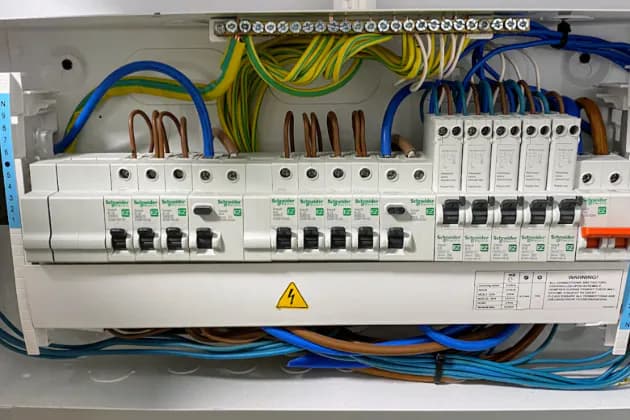
No RCD protection: older boards may only contain fuses or basic circuit breakers, without residual current protection.
Rewireable fuses: fuse carriers that require fuse wire are usually associated with older installations.
Scorching or melting: brown marks, discolouration or a burning smell around the board should be treated as urgent warning signs.
Frequent tripping: repeated trips can point to an appliance fault, damaged wiring, overload or a problem within the consumer unit.
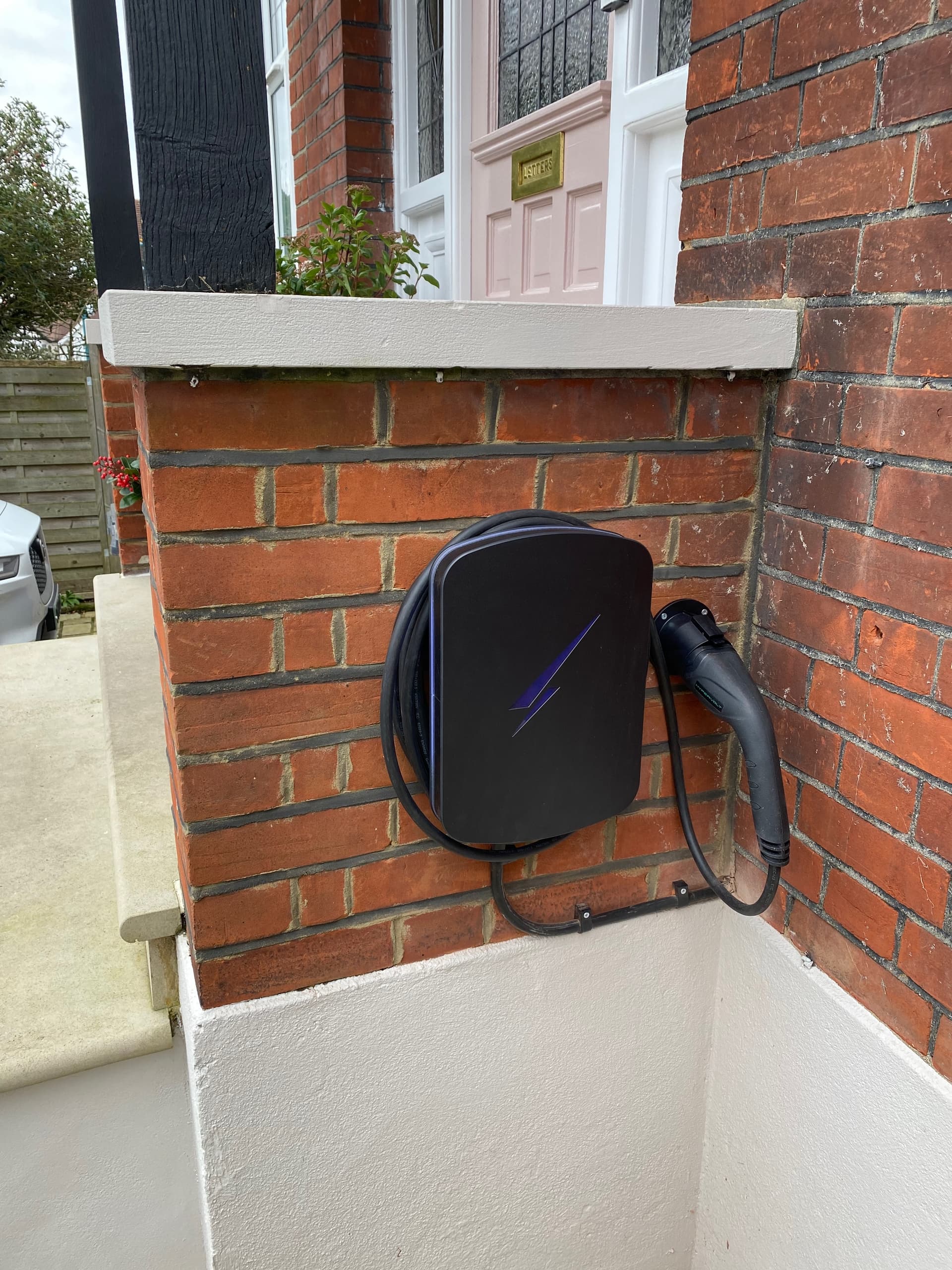
No spare ways: a crowded board may not have room for additional circuits, such as an electric vehicle charger.
A fuse board with a wooden, plastic or damaged enclosure may also warrant closer inspection. Plastic consumer units are not automatically unsafe, but modern installations need suitable protection against risks such as overheating and fire, based on the circumstances of the property.
What 18th Edition protection means
The 18th Edition refers to BS 7671, the wiring regulations used by electrical professionals in the UK. An installation described as compliant with the 18th Edition has been designed or assessed against the requirements that applied at the time of the work. It does not mean every older installation must automatically be replaced, but an electrician may recommend improvements where the existing protection is limited.
RCD and RCBO protection
An RCD monitors the flow of electricity and can disconnect the supply quickly if it detects current escaping to earth. This can reduce the risk of serious electric shock. RCBOs combine overcurrent protection with RCD protection for individual circuits, helping a fault on one circuit disconnect only that circuit rather than several areas of the home.
Modern consumer unit upgrades often include RCBOs, although the right arrangement depends on the property, existing wiring and the electrician’s assessment. Surge protection may also be considered where appropriate, particularly where sensitive electronics or specific installation risks are involved.
Labelling and testing
A properly arranged consumer unit should have clear, accurate labels so you can identify which circuit supplies each part of the property. The installation should also be tested after work, with the appropriate electrical certificate provided and any limitations explained.
Testing can identify loose connections, poor earthing, insulation problems, incorrect polarity and other issues that may not be visible from outside the board. This is one reason a professional assessment provides more useful information than simply replacing an old-looking box.
Older homes and changing wiring
Properties in areas such as Walthamstow and Chingford often include older electrical installations that have been altered over many years. Extensions, loft conversions, new kitchens and replacement lighting may have introduced mixed wiring methods or circuits from different periods.
That history matters when assessing a consumer unit. An electrician may need to check whether the earthing and bonding are suitable, whether older cables are in good condition and whether previous additions have been properly connected. A new board cannot correct every underlying wiring issue, so an inspection should consider the complete installation.
Safety box: what not to do
Do not open the consumer unit cover, touch exposed parts or try to replace fuse wire while investigating a problem. Parts inside may remain live even when the main switch appears to be off, creating a risk of severe injury or fatal electric shock.
Never ignore a burning smell, crackling sound, heat, smoke or scorching. Switch off the electricity only if it is safe to do so, keep clear of the board and contact a qualified electrician urgently. If there is smoke or fire, leave the property and call the emergency services.
How an upgrade can improve your home
A suitable consumer unit upgrade can provide stronger protection against electric shock, make individual circuit faults easier to identify and create space for future electrical demands. It may also replace confusing fuse arrangements with clearly labelled modern protective devices.
Before recommending work, an electrician should inspect the existing installation rather than base the decision only on the board’s age. You should receive a clear explanation of any defects, the proposed solution, testing arrangements and certification.
For a professional assessment, contact Beales Electrical on 02081331234 to book an inspection or consumer unit assessment. You can also learn more through the consumer unit service page and arrange help with suspected electrical problems through the fault finding service page. A qualified inspection is the safest way to establish whether your fuse board needs upgrading.
Other Articles